HYDRA CNC
1 / 5
What Is Precision Casting?
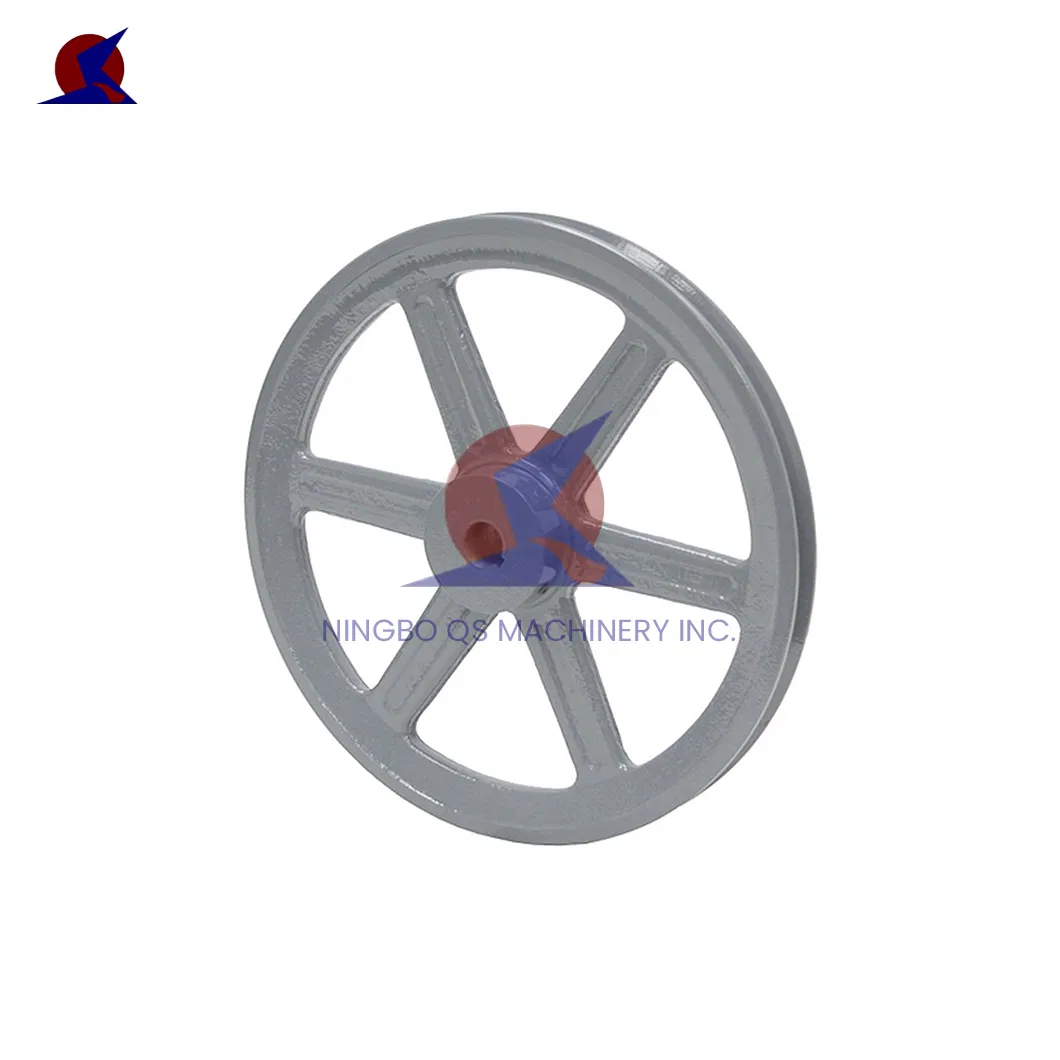
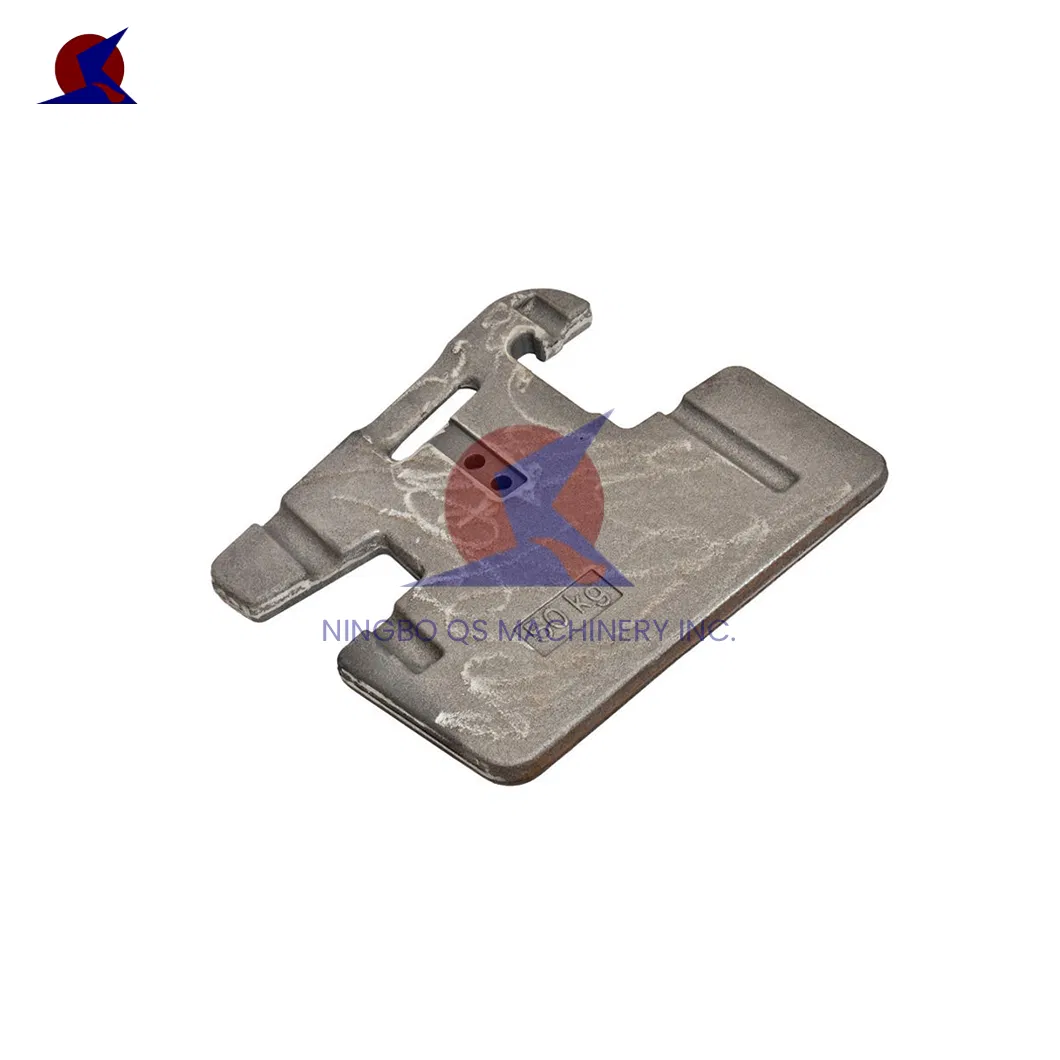
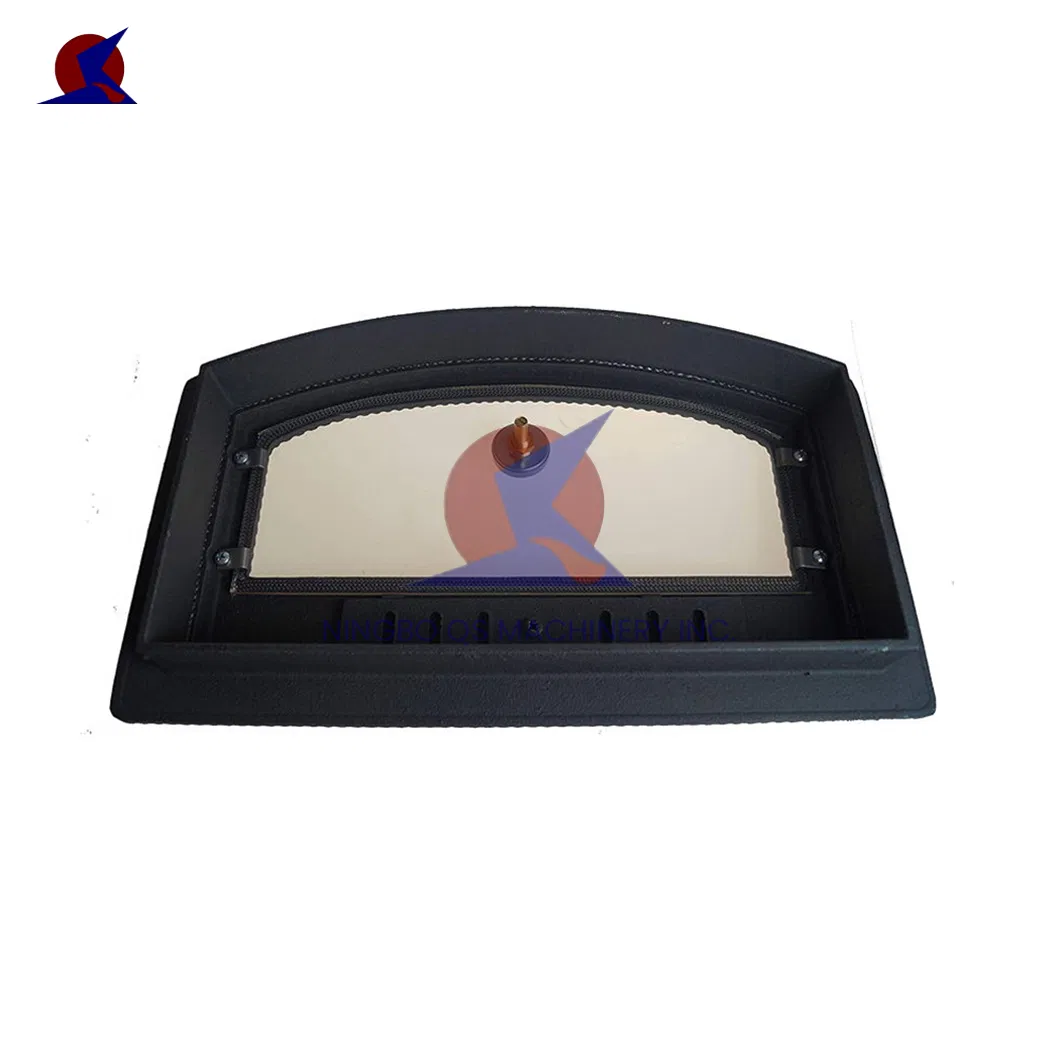
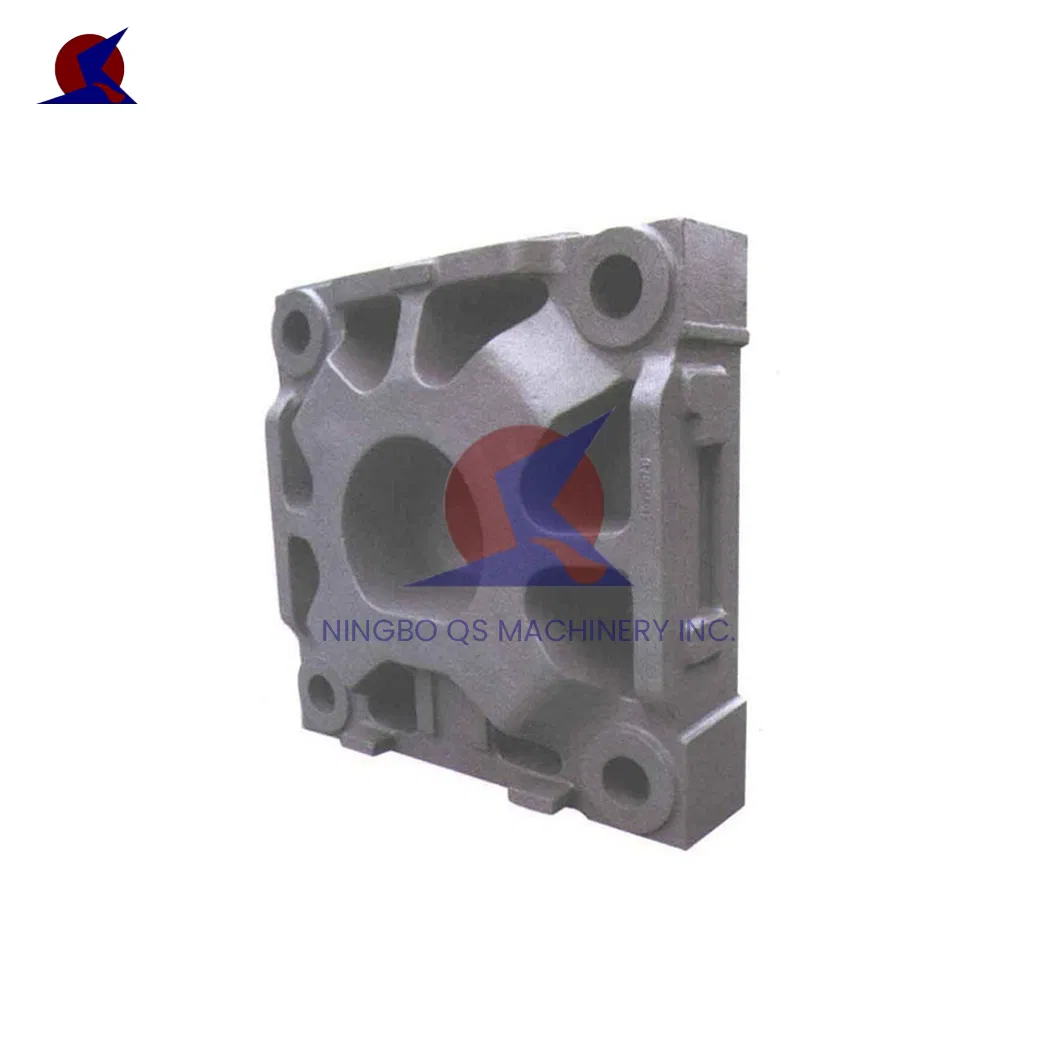
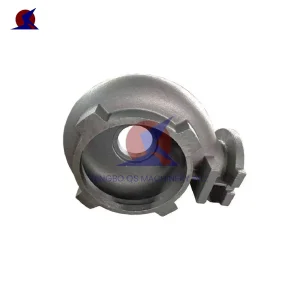
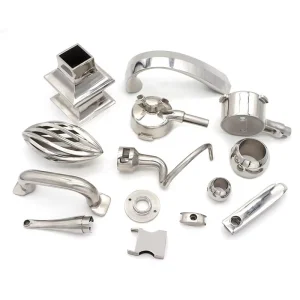
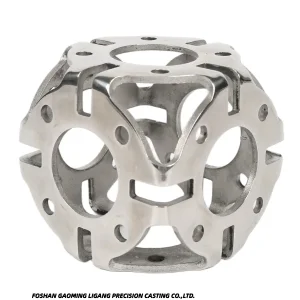
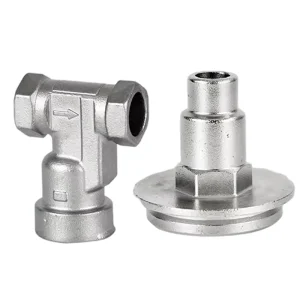
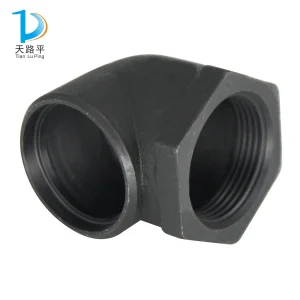
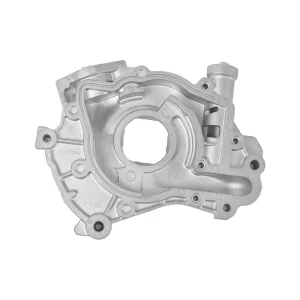
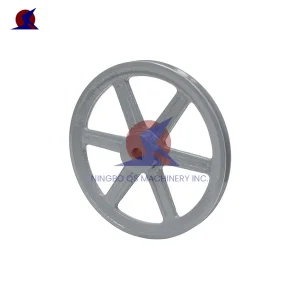
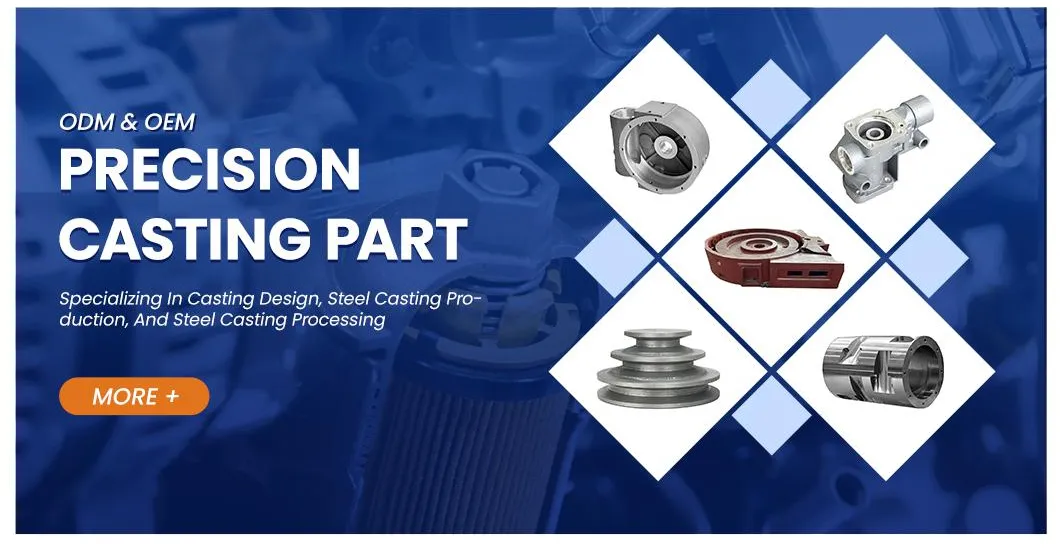
Precision Casting refers to the general term for the process of obtaining precision-sized castings. Compared with the traditional sand casting process, the castings obtained by precision casting have more precise dimensions and better surface finish. Its products are precise, complex, and close to the final shape of the part. It is an advanced process of near-net-shape, suitable for low quantity request orders. Commonly used is investment casting, also known as lost wax casting, widely used for producing ferrous and nonferrous metal casting.
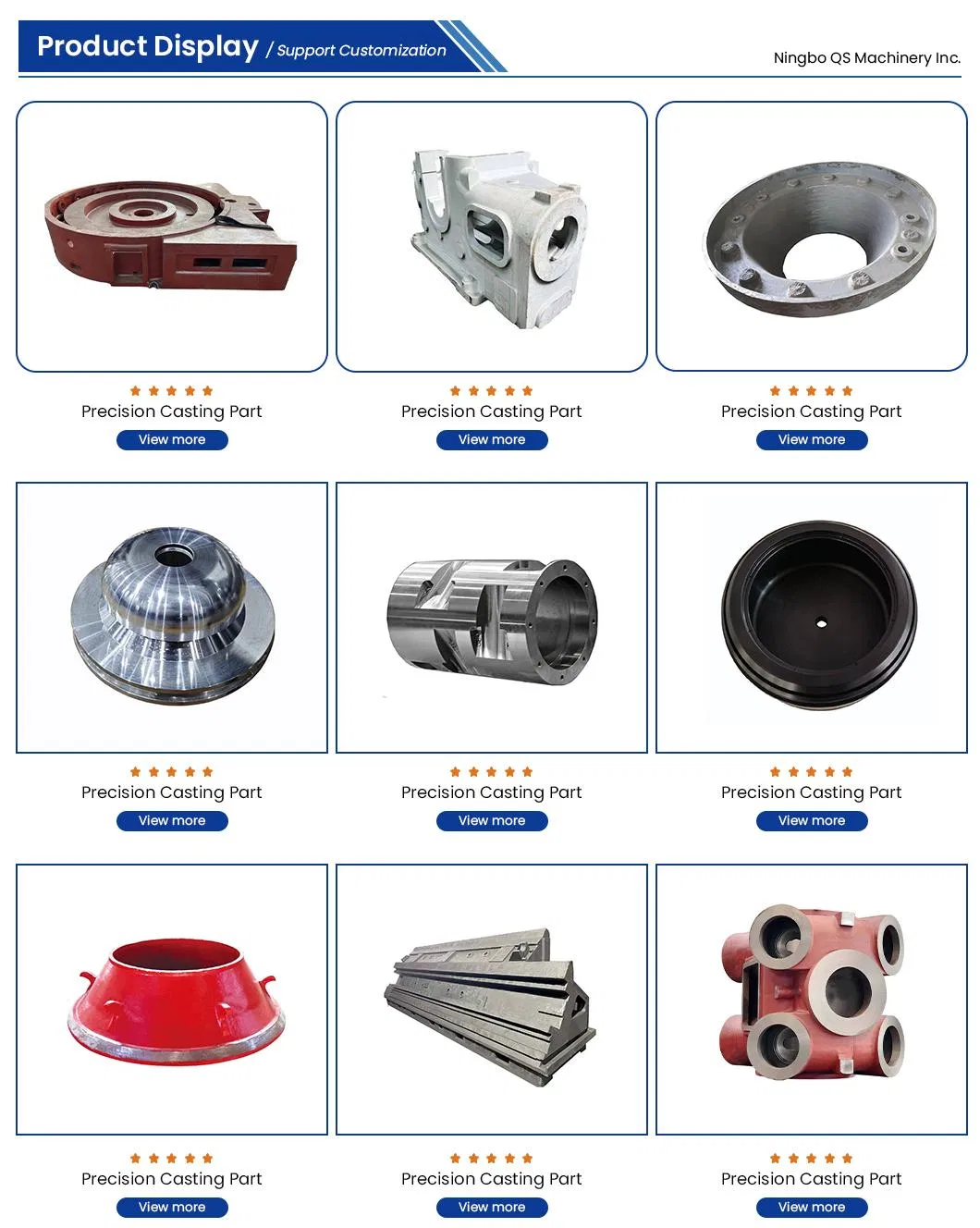
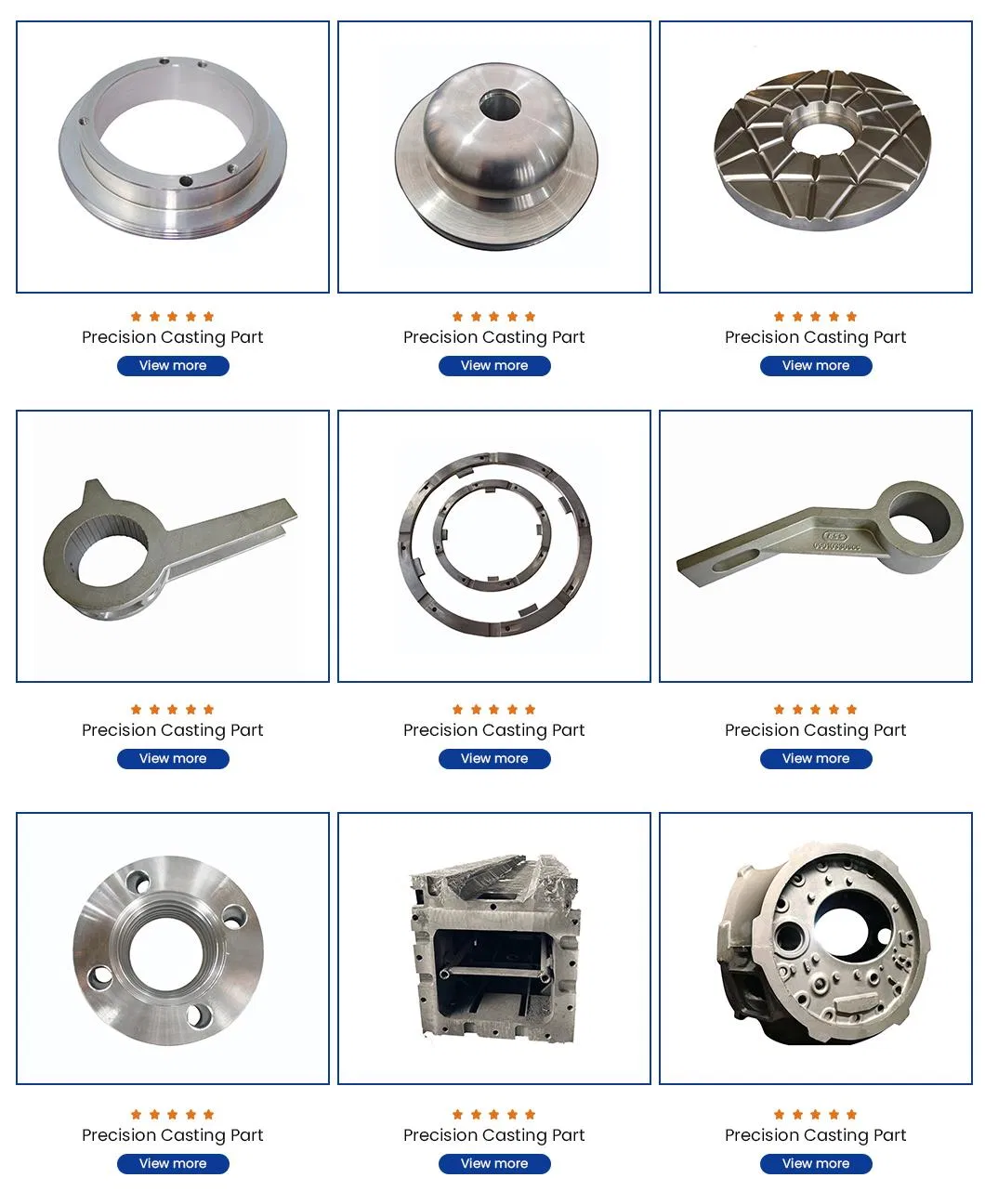
Step 1. Mold Design: As per the drawing, engineers finish the mold design.
Step 2. Wax Injection: Wax patterns are produced by injection molding machines.
Step 3. Assembly Tree: Patterns are attached to a central wax stick (sprue).
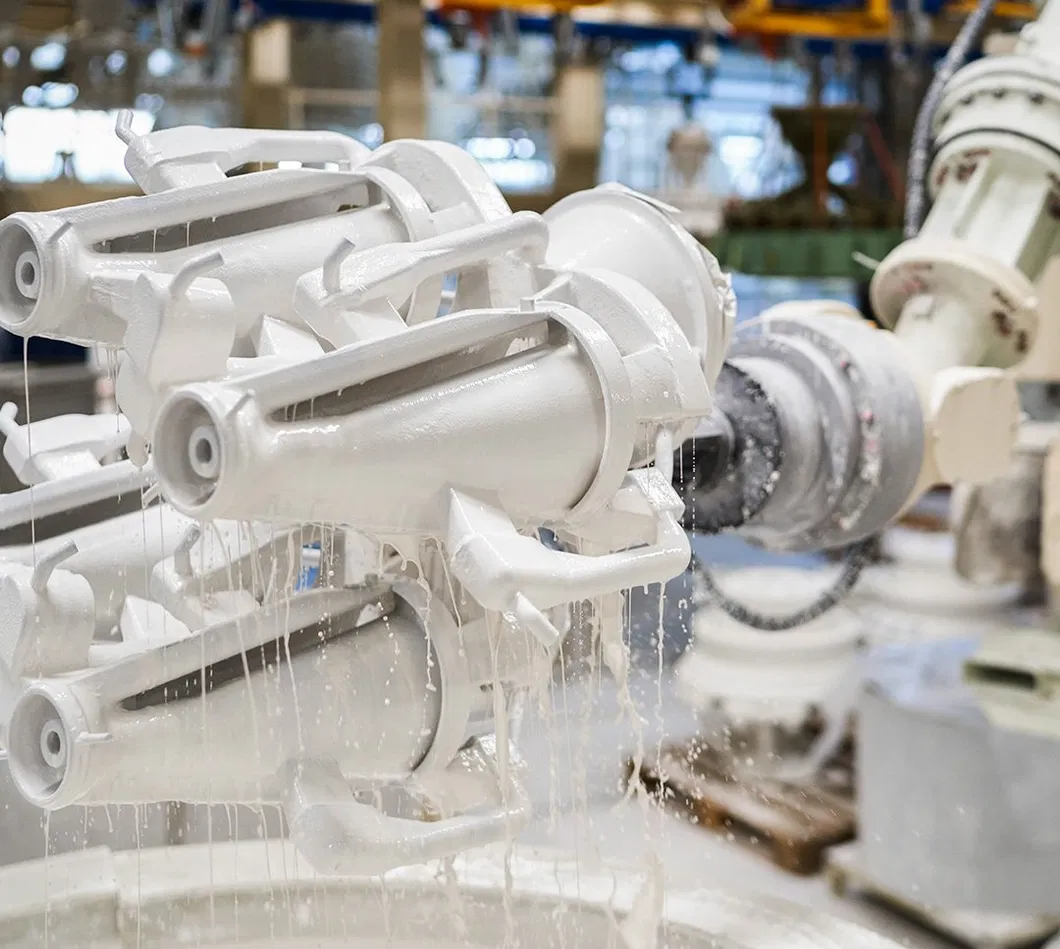
Step 4. Shell Making: Immersing the assembly in ceramic slurry and fine sand to build layers.
Step 5. Dewax: Heating the dry ceramic shell to melt and remove the wax.
Step 6. Casting: Molten metal is poured into the shell by gravity.
Step 7. Knockout: The ceramic shell is broken off by vibration once the metal solidifies.
Step 8. Cut Off: Parts are cut away from the central spruce using high-speed saws.
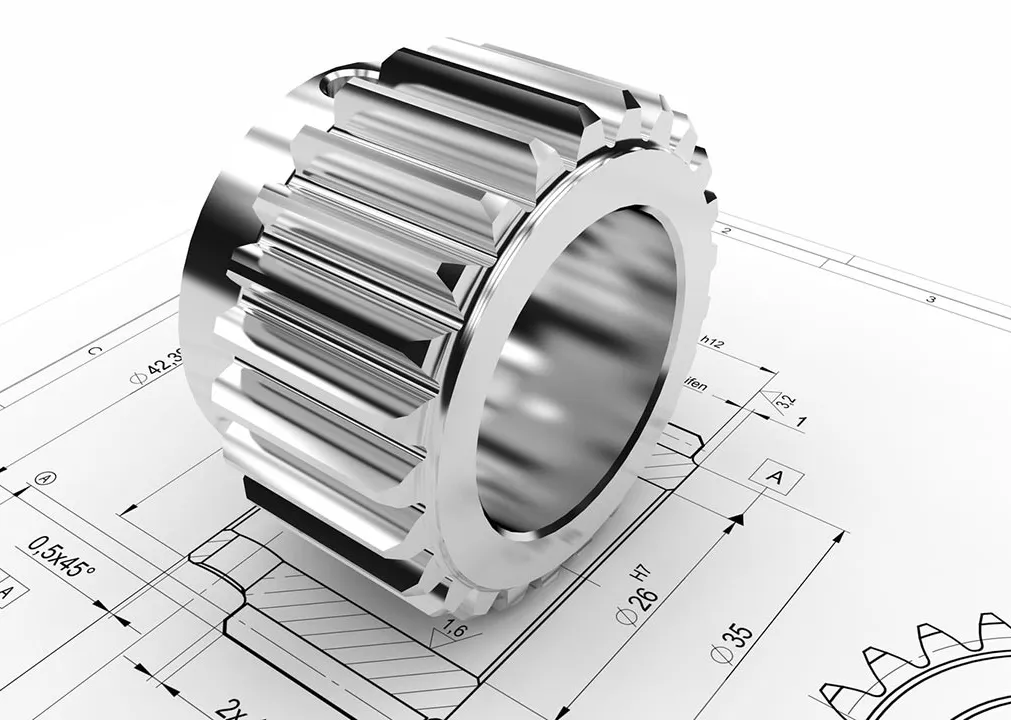
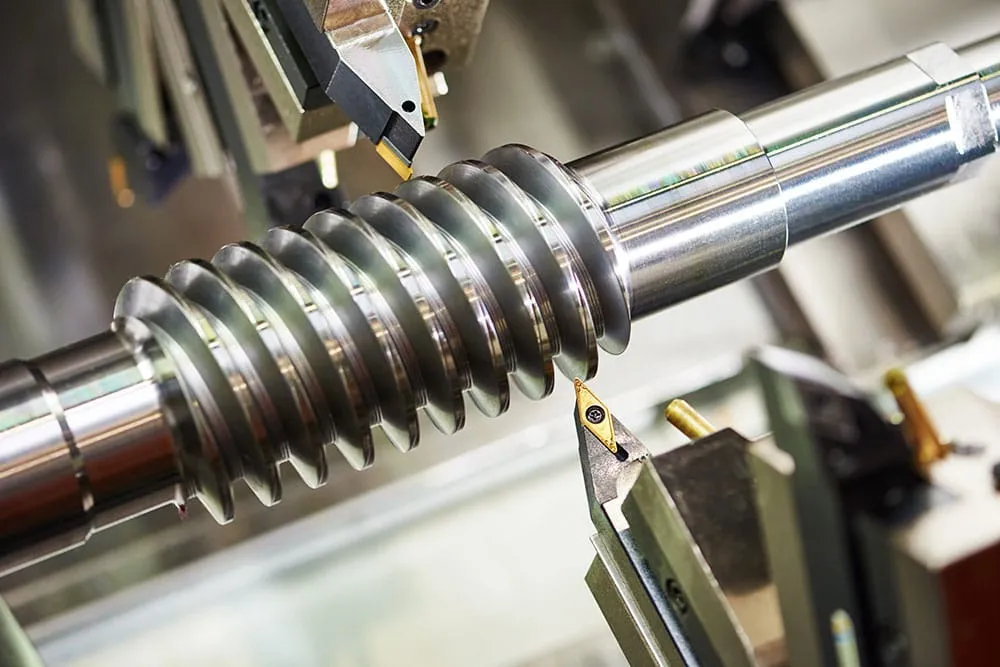
Step 9. Grinding: Pouring parts are ground carefully for a smooth finish.
Step 10. Inspection: 100% inspection as per drawing and quality requests.
Step 11. Finished Castings: Metal castings are ready for shipment to the customer.
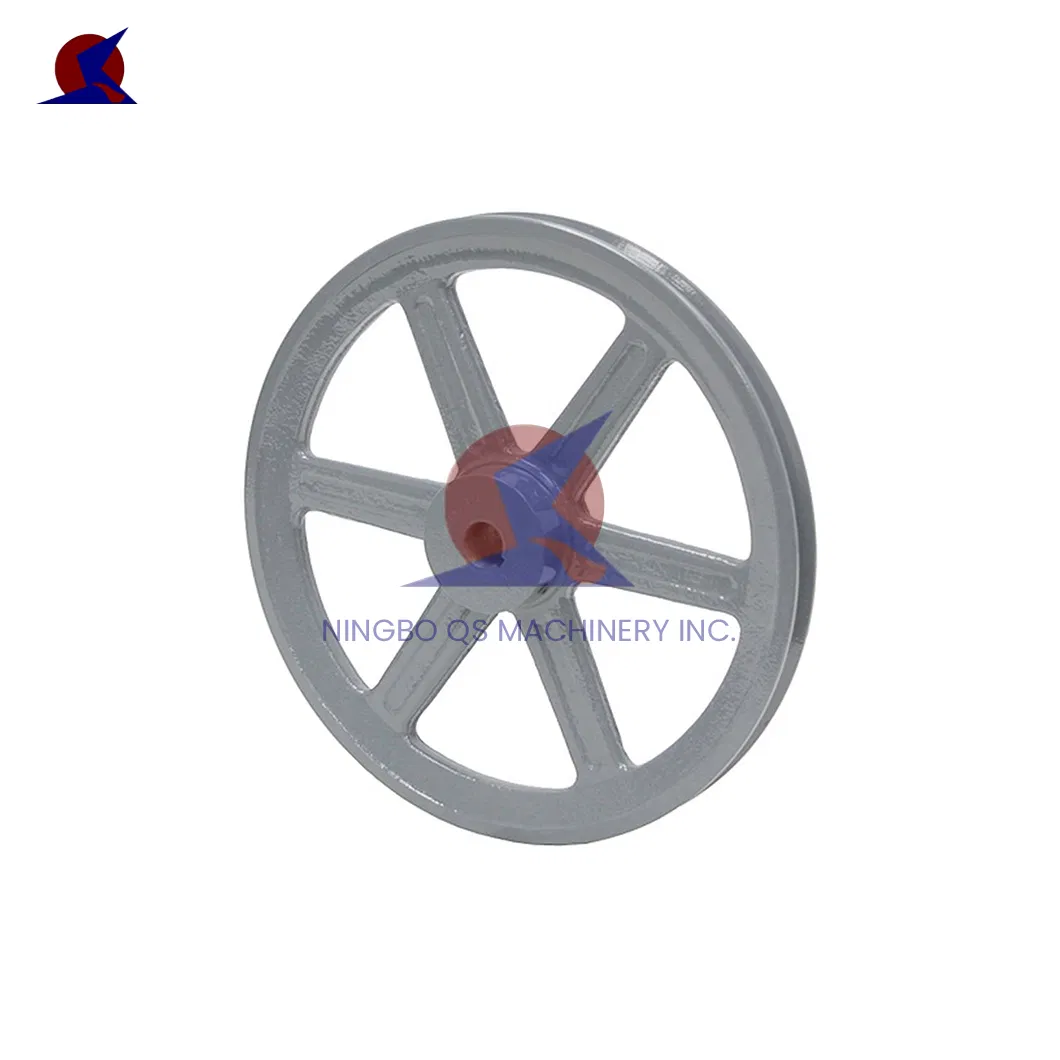
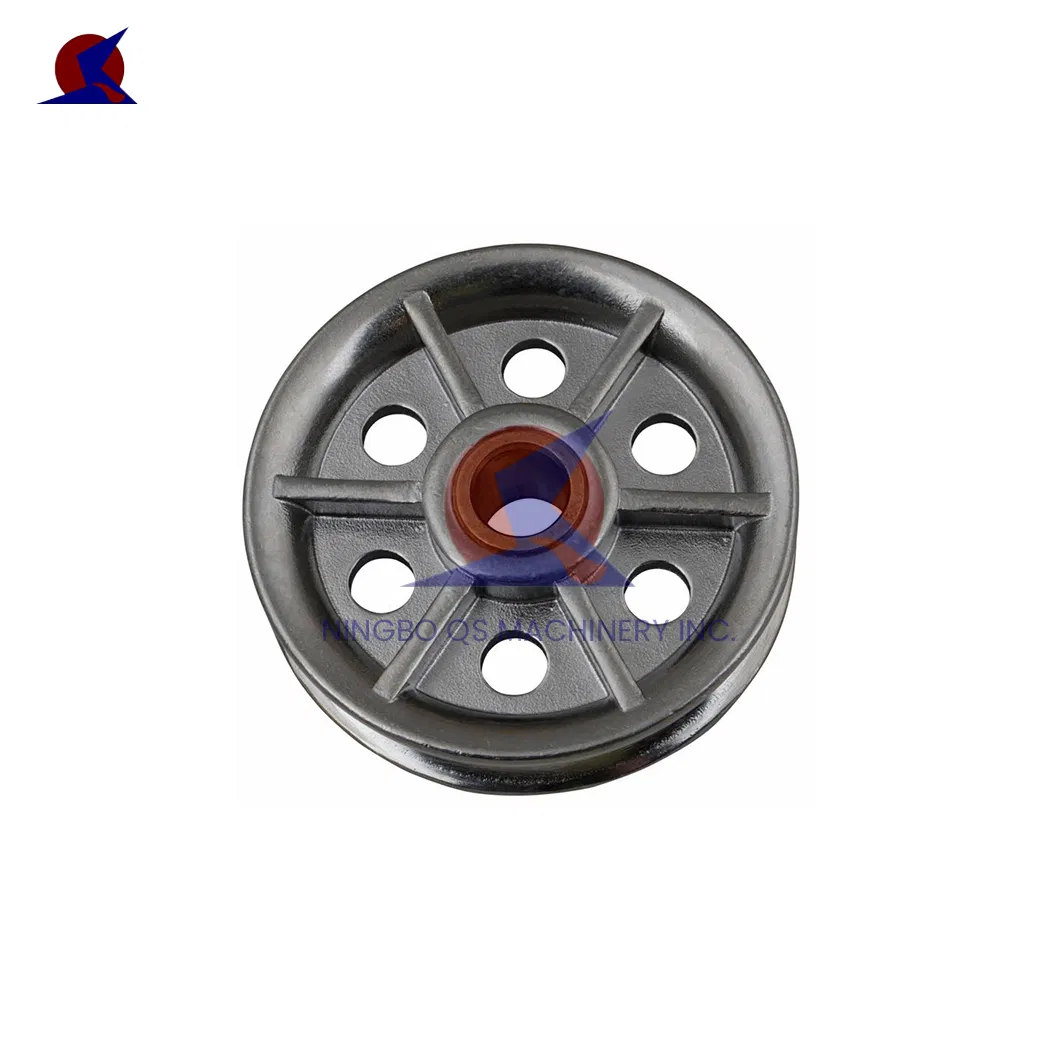
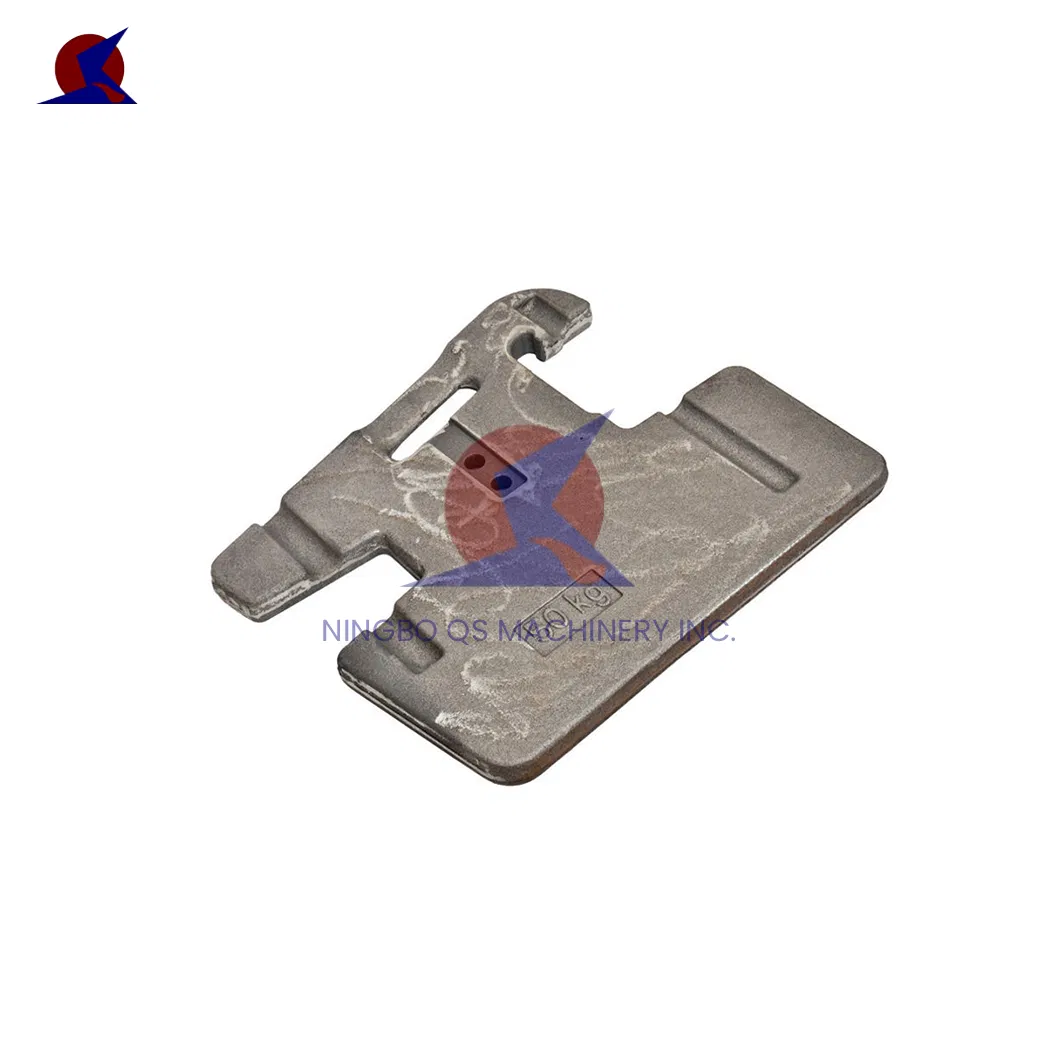
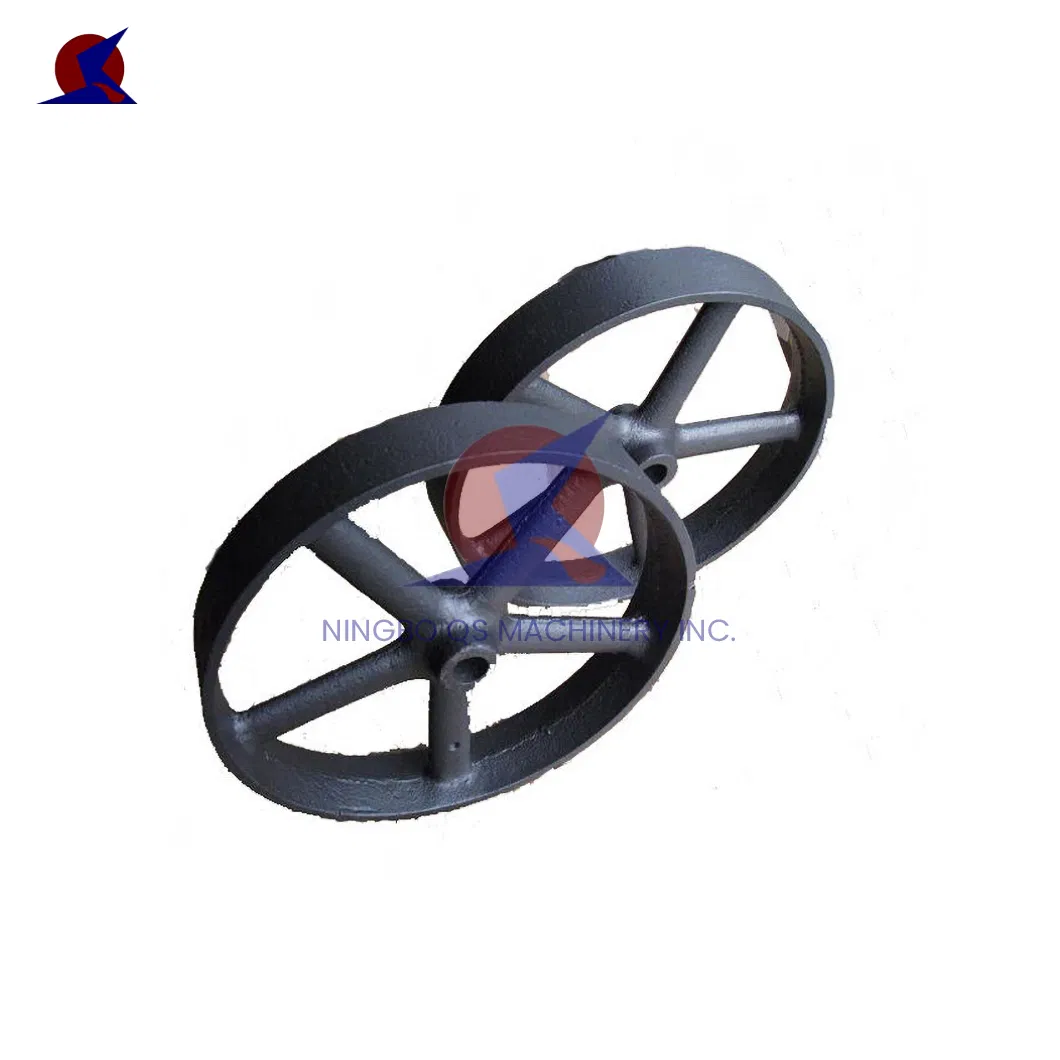
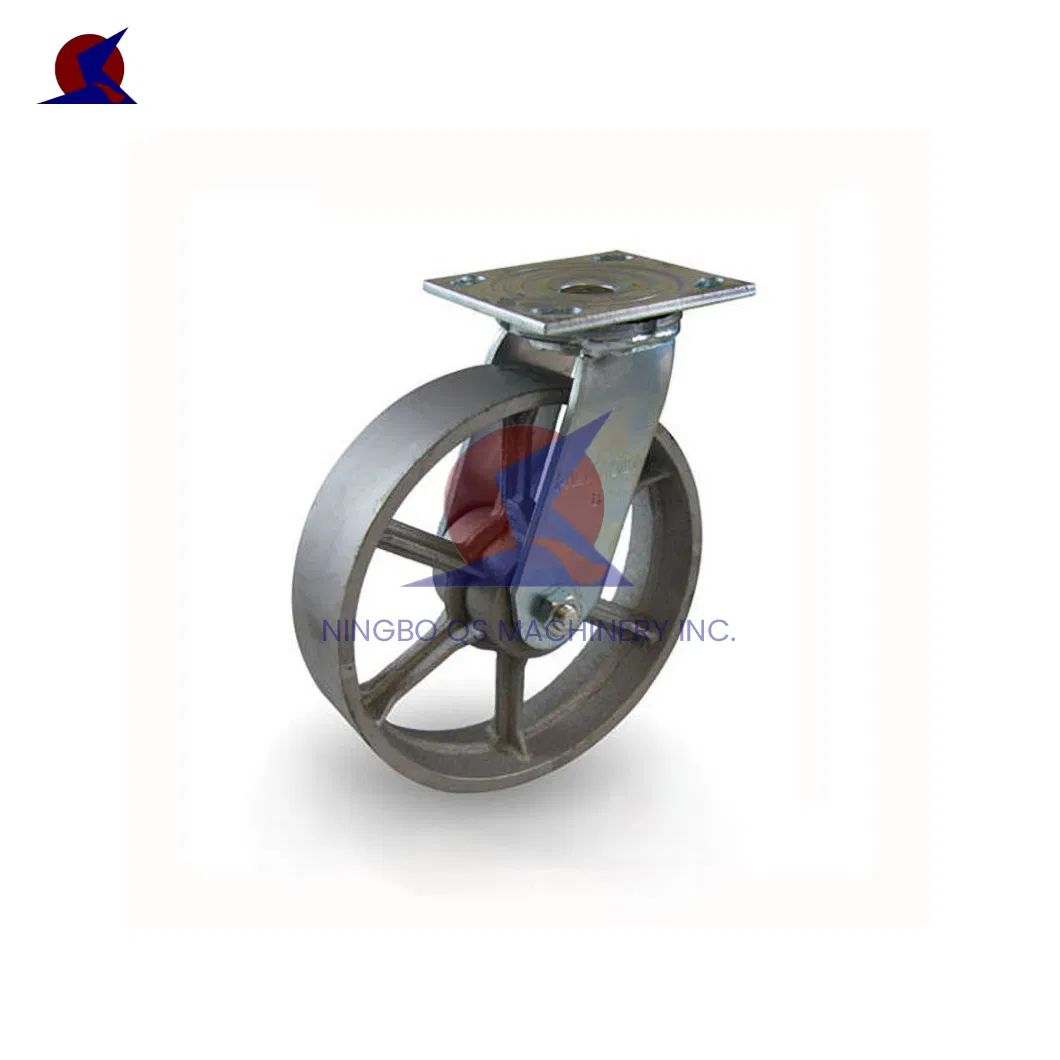
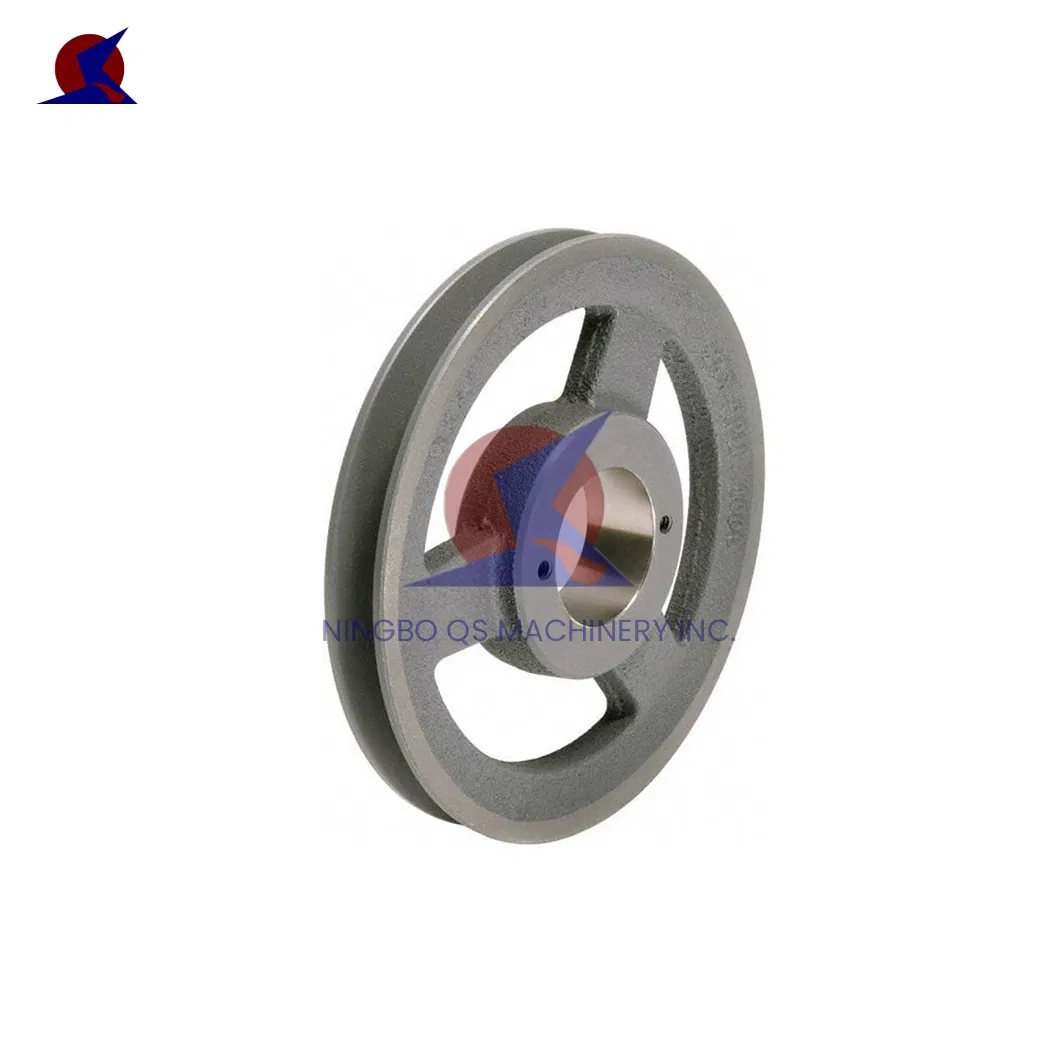
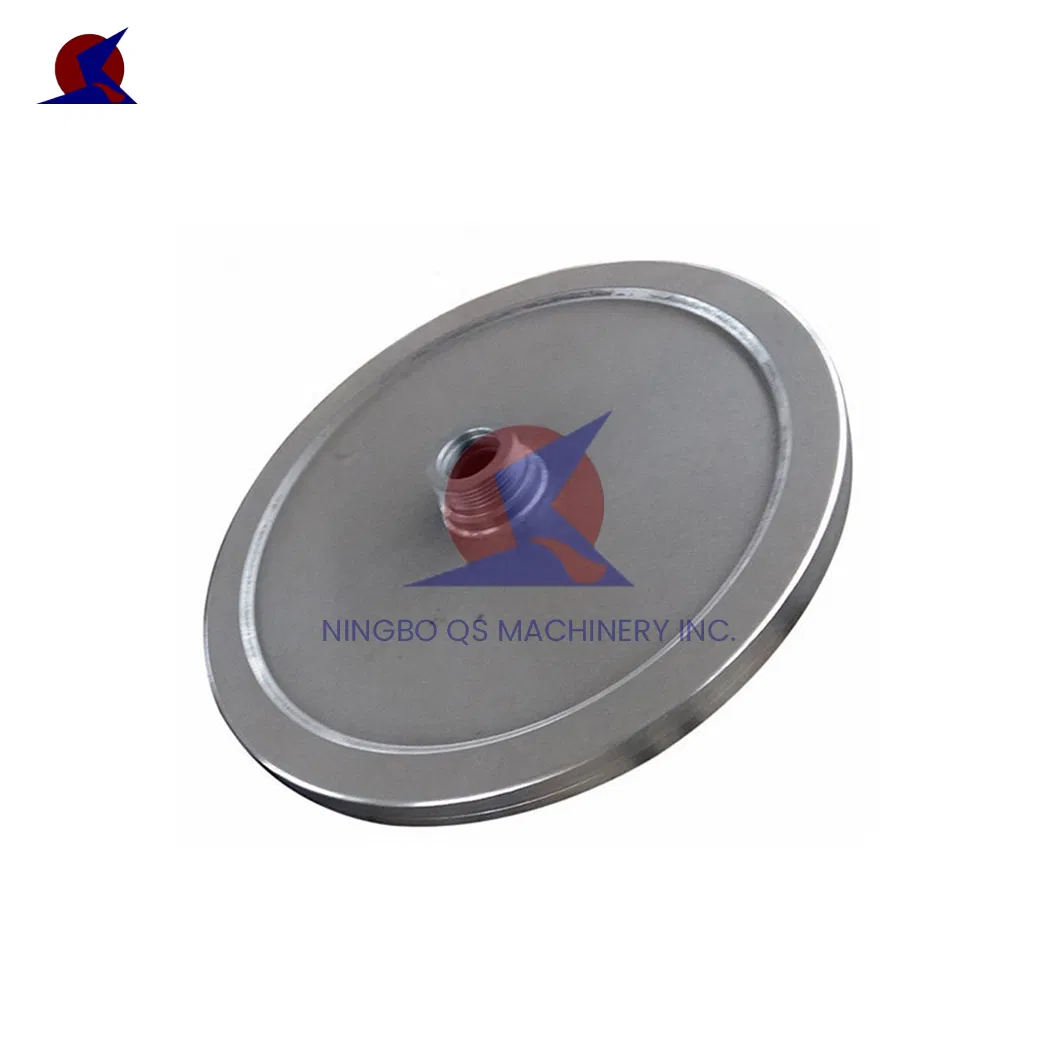
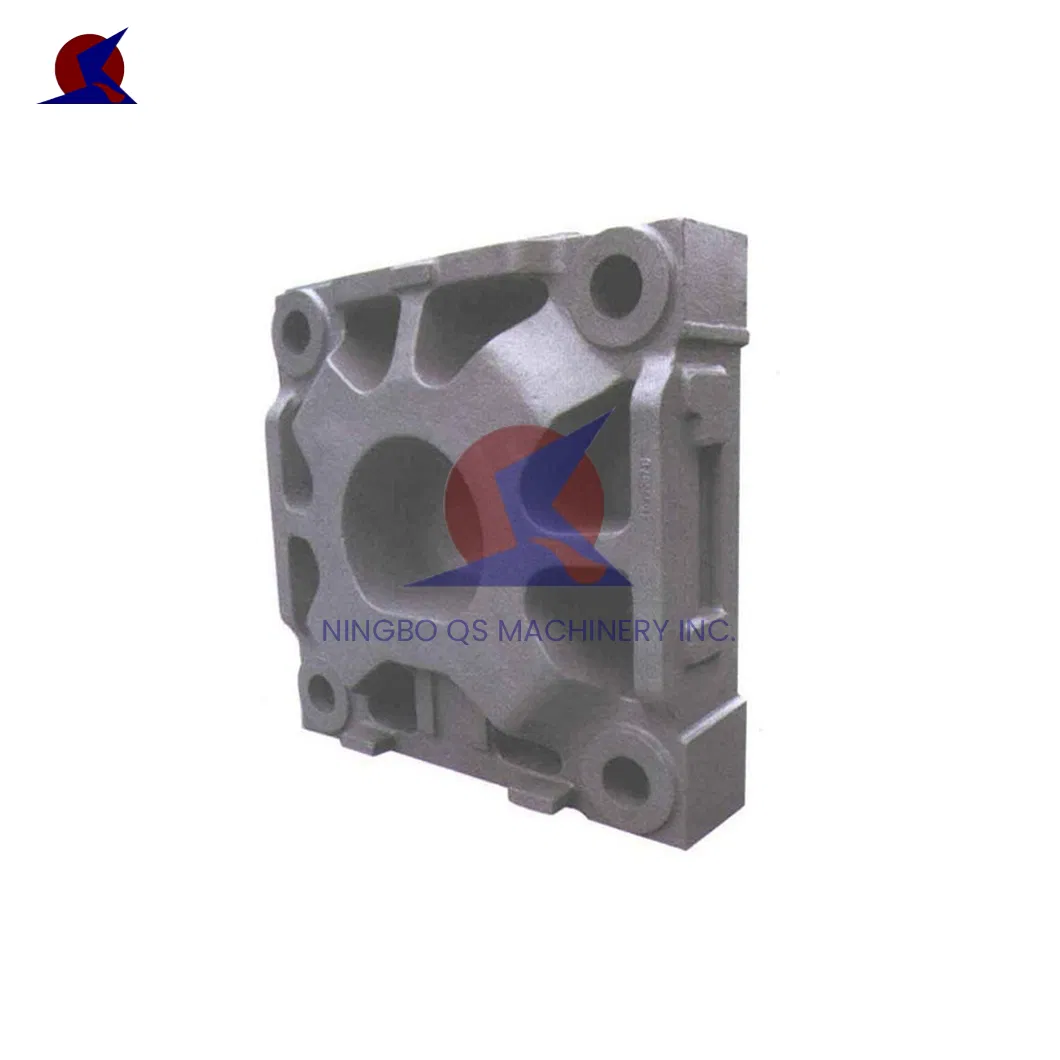
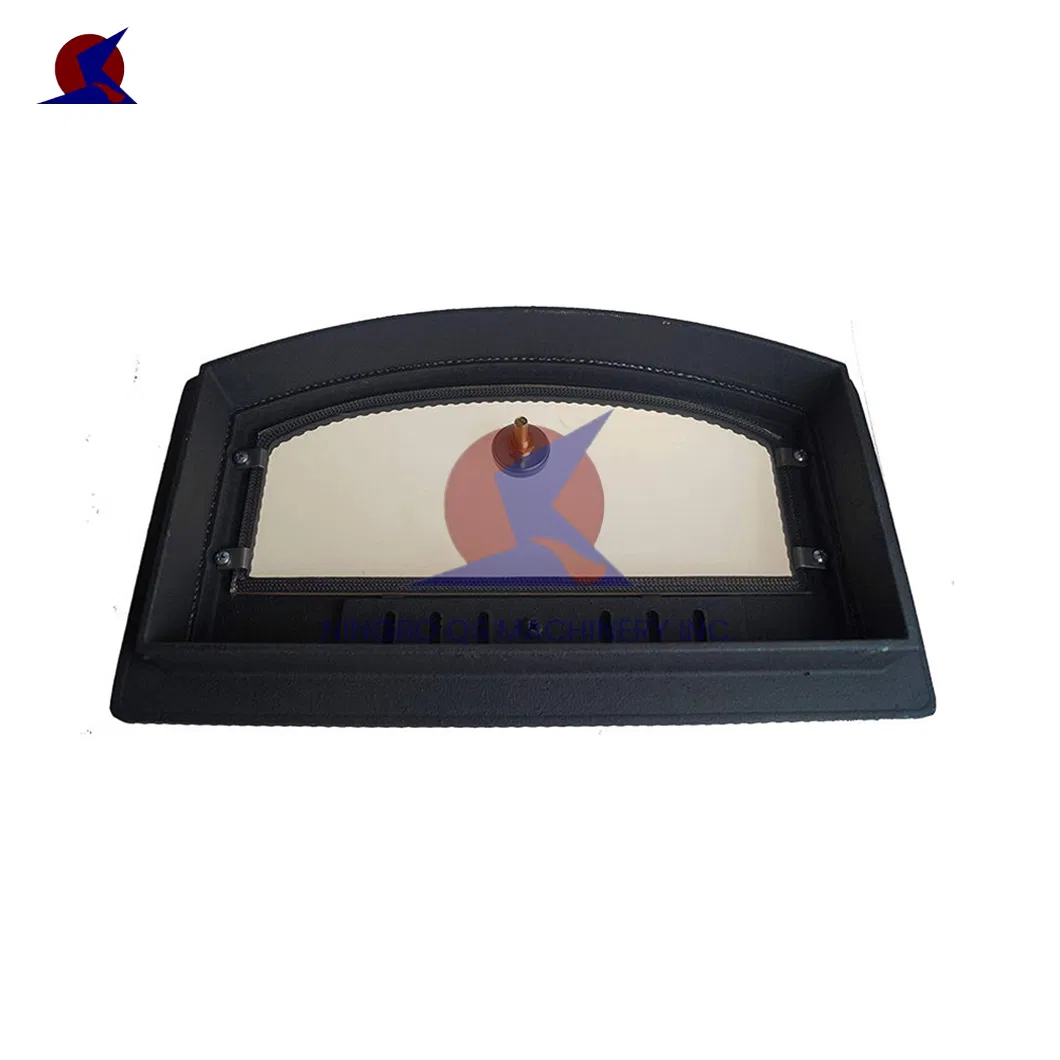
Providing "ONE-STOP" convenience, offering steel castings from 0.1 Kgs to 80 Kgs in various materials including Carbon Steel, Low Alloy Steel, and Grey Iron.
| Parameter | Details |
|---|---|
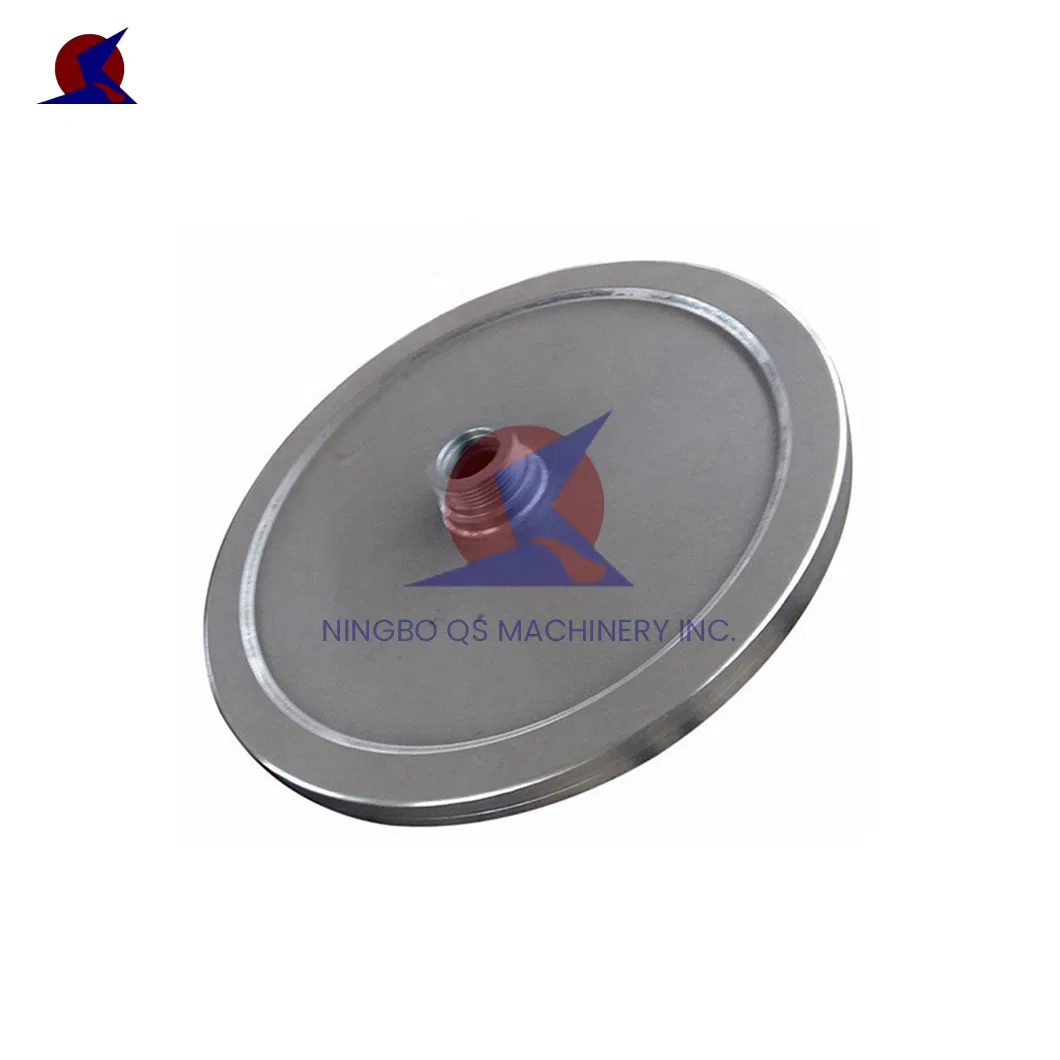
| Product Name | Precision Casting Iron Parts |
| Design | As Per The Customer's Design |
| Size | Customer's 3D Drawing |
| Tolerance | Strictly Casting Tolerance |
| Quality Control | 100% Inspection |
| Certification | Material and Dimension Report |
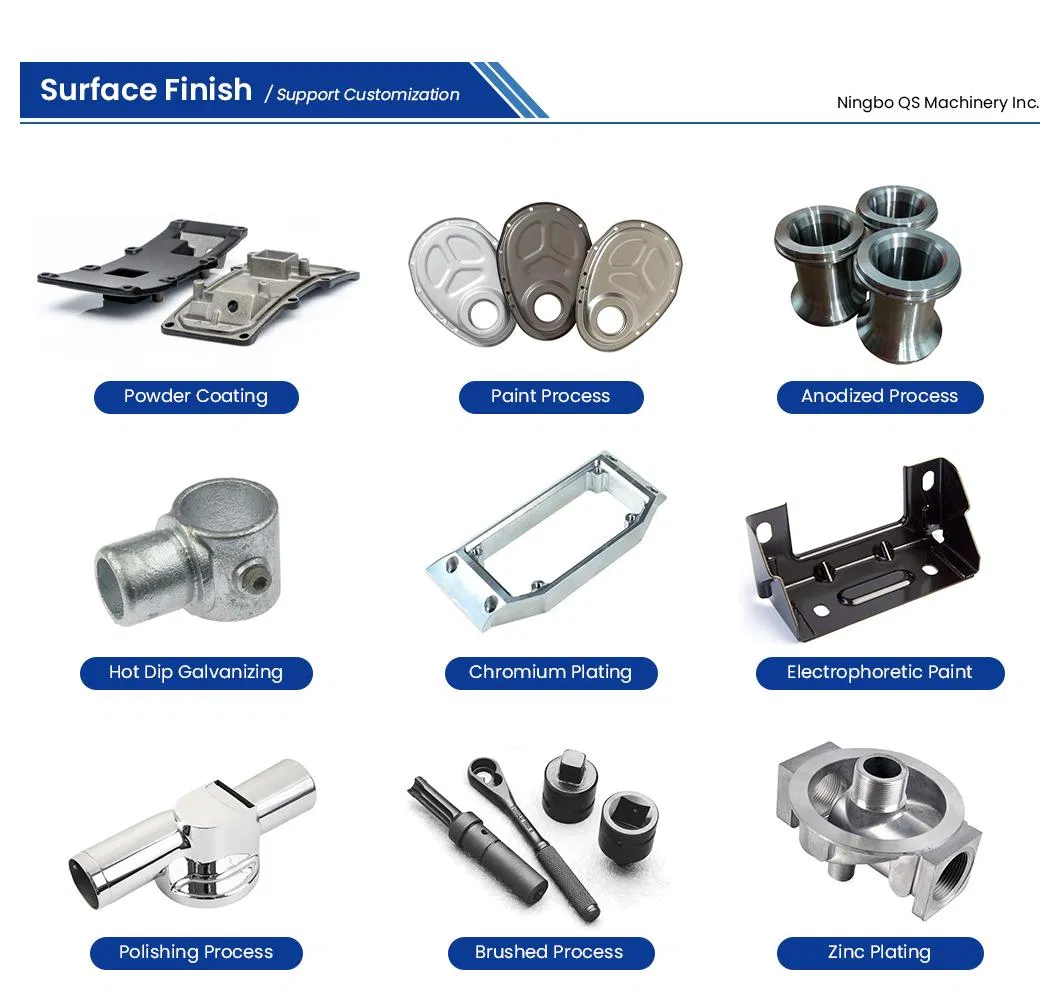
| Surface Treatment | Customizable |