Understanding what is the difference between CNC machining and metal fabrication is crucial for many industries. Both processes play vital roles in manufacturing. However, they achieve different results and utilize distinct techniques. CNC machining involves removing material from a solid block to create precise parts. It offers high accuracy and can produce complex geometries efficiently. On the other hand, metal fabrication involves assembling structures from metal materials, using processes like welding, cutting, and bending.
In essence, CNC machining focuses on accuracy and fine details. Metal fabrication emphasizes the assembly of larger components. While both processes can complement each other, choosing the right method depends on project requirements. Many people confuse the two, yet each has its unique strengths. It's essential to reflect on these differences to make informed choices in manufacturing.
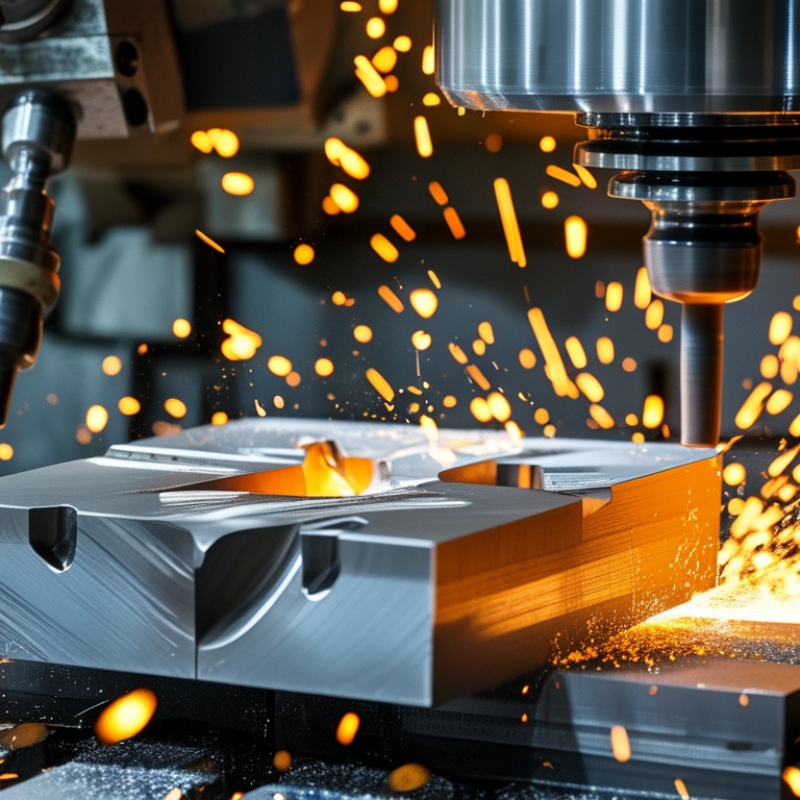
CNC machining is a precise manufacturing process that translates digital designs into physical parts. Using computer-controlled machines, it cuts, drills, and shapes materials like metal, plastic, or wood. This technology ensures high accuracy and repeatability, making it ideal for complex components. Common applications include aerospace, automotive, and medical industries, where specifications are critical.
For effective CNC machining, it’s essential to choose the right materials. Hard metals offer durability but may wear down tools faster. Softer materials can be easier to work with but may not hold intricate designs as well. Reviewing past projects can shed light on material choices. Reflecting on previous experiences can guide future decisions.
Understanding the limits of CNC machining is vital. Some designs may not be feasible due to the machine's capabilities. Engaging in brainstorming sessions with your team can uncover alternative approaches. This collaborative effort often leads to innovative solutions that enhance your project outcomes. Always stay updated with industry trends to refine your skills and knowledge.
Metal fabrication involves a variety of techniques and materials. Understanding these can help you choose the right method for your project. Welded metal frames and sheet metal components are common outputs. Steel, aluminum, and copper are popular materials due to their durability and versatility.
Techniques in metal fabrication include cutting, bending, and assembling. Flame cutting is one option, using a torch to slice through metal sheets. Machining tools can shape parts with precision. Each method has its strengths and weaknesses. Some processes create waste material, while others offer cleaner cuts but may take longer.
The choice of material impacts durability and cost. For example, stainless steel resists corrosion but can be pricier. Aluminum is lightweight yet may lack the strength of steel. It's crucial to evaluate your project needs. This attention to detail can make a significant difference in your final product. Consider the strengths and challenges of each method to enhance your final design.
This chart compares CNC Machining and Metal Fabrication across five key metrics: Precision, Material Variety, Production Volume, Cost Efficiency, and Lead Time. The values indicate relative strengths in each area, helping to highlight the distinct advantages of each method.
When comparing CNC machining and metal fabrication, precision and accuracy stand out as critical factors. CNC machining is renowned for its ability to produce intricate components with tight tolerances. CNC machining uses computer-controlled tools to ensure every cut meets exact specifications. A well-calibrated CNC machine can achieve precision levels down to a few microns, making it ideal for industries requiring high accuracy.
On the other hand, metal fabrication encompasses a broader range of techniques, including welding, bending, and assembling. While skilled fabricators can achieve impressive results, the variability in manual processes can introduce inconsistencies. For instance, a small error in alignment during welding could lead to structural weaknesses. The craftsmanship in metal fabrication is often subject to the individual fabricator’s skill, which can vary significantly.
Both methods have their strengths but also limitations. Finding the right balance between precision and practical application is essential. CNC machining may excel in producing parts rapidly, while metal fabrication offers versatility in shapes and sizes. Each approach can complement the other when utilized effectively, depending on specific project needs. Understanding these differences helps industries choose the best method for their requirements.
When considering cost in CNC machining and metal fabrication, it's essential to examine various factors. CNC machining often has higher setup costs due to the need for precision equipment. According to industry reports, initial costs can be around 20-30% more expensive than metal fabrication. This is primarily due to the technology and software used in CNC processes.
Metal fabrication can be more economical for large batch production. Its processes are typically less resource-intensive, leading to lower overall costs. However, CNC machining is ideal for intricate designs and small production runs. For example, intricate parts often justify the higher costs due to their complexity.
**Tip:** Always request quotes from multiple suppliers. This ensures a better understanding of the price landscape.
Moreover, material costs fluctuate based on the machining method. CNC machining can waste materials, leading to increased expenses. Conversely, metal fabrication enhances material efficiency through cutting techniques.
**Tip:** Factor in material waste when budgeting. This can significantly affect overall project costs.
CNC machining and metal fabrication serve distinct roles across various industries. CNC machining excels in precision components for aerospace, automotive, and electronics. This method creates intricate parts with minimal waste. Conversely, metal fabrication shines in custom structures, like frames and housing for machinery. These projects often require flexibility in design and material selection.
Tips: When choosing a method, consider the project's scale and complexity. CNC machining is often better for high-volume orders, while metal fabrication suits unique designs. Each technique has its advantages and limitations.
Both processes have their strengths. CNC machining requires significant upfront investment in technology. This may not be feasible for smaller operations. Metal fabrication can be labor-intensive, leading to longer lead times. Reflecting on each method’s demands will help you make informed decisions.
: CNC machining is a process that uses computers to control machines for creating precise parts from digital designs.
Common materials include metal, plastic, and wood. Each has different durability and workability.
Choosing the right materials affects durability, ease of machining, and the intricacy of designs.
Some designs may be unfeasible due to machine capabilities. Always consider alternatives.
Techniques include cutting, bending, and assembling. Each method has its advantages and disadvantages.
Different materials vary in durability and cost. Evaluate your project's needs carefully to avoid issues.
Yes, reviewing previous projects helps inform better material decisions for future tasks.
Some processes, like certain cutting techniques, lead to waste. Others may provide cleaner cuts.
Team brainstorming can reveal innovative ideas and solutions, enhancing project effectiveness.
Keeping current with trends refines skills and knowledge, leading to better project results.
CNC machining and metal fabrication are two distinct manufacturing processes that serve different purposes in various industries. CNC machining involves the use of computer numerical control to drive machines that precisely cut, shape, or finish metal materials. This process is known for its high precision and accuracy, making it ideal for applications requiring tight tolerances. On the other hand, metal fabrication encompasses a broad range of techniques, such as welding, bending, and assembling metal parts, and is often more versatile in handling different materials and shapes.
So, what is the difference between CNC machining and metal fabrication? While CNC machining focuses on precision cutting and shaping, metal fabrication emphasizes the assembly and manipulation of materials. Cost considerations also vary, as CNC machining may be more expensive for complex designs while fabrications can be cost-effective for larger, less intricate projects. Understanding these differences can help industries choose the appropriate method for their specific applications.
HYDRA CNC