What Is Included in CNC Machining Services for Buyers?

Time:2026-04-09 Author:Sienna
0%

Understanding what is included in CNC machining services is essential for buyers. CNC, or Computer Numerical Control, encompasses a range of services that streamline manufacturing processes. These services vary significantly, depending on the complexity of the project. It's vital to grasp these elements thoroughly.

CNC machining typically involves several processes. These may include milling, turning, drilling, and grinding. Each method has unique benefits. Yet, there may be details that potential buyers overlook. For instance, the choice of material can affect the overall quality. Buyers should reflect on how each aspect influences their specific needs.

It is also crucial to consider the experience of the service provider. A reliable CNC machining service demonstrates expertise through high-quality outputs. However, not every provider meets these standards. Buyers must research and ask pointed questions. Being informed about what is included in CNC machining services ensures smarter purchasing decisions.
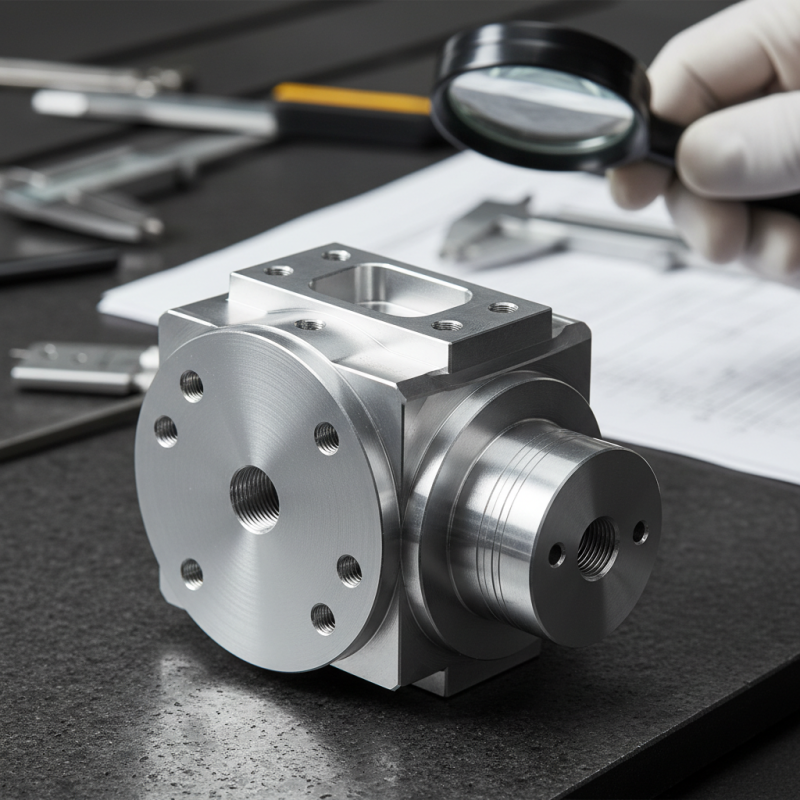
What Is Included in CNC Machining Services for Buyers?

CNC Machining Services Overview: Key Features and Benefits

CNC machining services play a crucial role in modern manufacturing. These services include precision machining, milling, turning, and grinding. Each process is designed to shape materials like metal or plastic into desired components. With advanced technology, CNC machines ensure high accuracy and repeatability. This reliability reduces waste and improves quality, which is essential for various industries.

One key feature of CNC machining is its versatility. Machining can create complex geometries that manual methods cannot achieve. Buyers benefit from this adaptability when producing custom parts. Another advantage is the time efficiency. CNC machines operate continuously, which speeds up production cycles. However, it is important to choose the right service provider, as not all can deliver the same level of precision.

Despite the advantages, challenges exist. Not every CNC service provider can handle large orders effectively. Communication issues may arise, particularly when conveying design intent. Buyers should be prepared to clarify specifications and expectations. A well-defined process can ensure the desired outcomes are met without misunderstandings. Moreover, understanding the technology behind CNC machining can help buyers make more informed decisions.

What Is Included in CNC Machining Services for Buyers?

Feature Description Benefits
Material Selection Variety of materials including metals, plastics, and composites. Allows for specific applications and strength requirements.
Precision Machining High tolerance machining down to micrometers. Ensures parts fit and function correctly in assembly.
Prototyping Rapid production of prototypes for testing and design verification. Accelerates product development cycles.
Batch Production Production of parts in small to large batches. Cost-effective for both low and high volume needs.
Finishing Services Includes processes like plating, anodizing, and powder coating. Enhances aesthetics and durability of the parts.
Quality Assurance Comprehensive testing and inspection procedures. Ensures reliability and compliance with specifications.
Custom Solutions Tailored services to meet specific customer requirements. Provides flexibility and innovation in designs.

Types of CNC Machining Processes: Turning, Milling, and Electrical Discharge

CNC machining includes various processes, each serving different needs. Among these, turning and milling are the most common. Turning involves rotating the material against a cutting tool. This method is ideal for creating cylindrical shapes and precise diameters. It's often used for parts like shafts and bolts, where accuracy is critical.

Milling, on the other hand, uses a rotating cutter to remove material. This process can create complex shapes and features, such as pockets, slots, and precise contours. It's versatile and suitable for various materials, making it popular in many industries. Many buyers find it challenging to choose the right process without guidance, which can lead to costly mistakes.

Electrical discharge machining (EDM) is another technique worth mentioning. It uses electrical sparks to erode material and is effective for hard metals. This process allows for intricate designs often unattainable with conventional cutting methods. However, EDM can be time-consuming, and its application might not fit every project. Understanding these processes is essential for selecting the right CNC machining service.

Material Selection in CNC Machining: Common Alloys and Plastics Used

CNC machining services offer a wide range of options for material selection. Commonly used materials include various alloys and plastics suited to different applications. Aluminum alloys, for instance, are favored for their lightweight properties and excellent machinability. Reports indicate that aluminum accounts for around 30% of the total metal used in CNC machining due to its versatility and strength.

Plastics like acetal and polycarbonate are also prominent in CNC machining. Acetal is known for its low friction properties, making it suitable for gears and bearings. Polycarbonate is valued for its high impact resistance and clarity. According to industry studies, the demand for plastic parts in CNC machined products has seen a steady increase of about 15% annually, reflecting a shift toward lightweight and durable materials.

Tip: When selecting materials, consider your project's specific requirements. Evaluate factors like strength, weight, and cost. Sometimes, opting for a less common material can yield better results. Ensure the material’s compatibility with your machining processes to avoid unexpected challenges. Regularly reassess your choices based on performance to stay competitive.

Quality Assurance in CNC Machining: Standards and Certifications Explained

Quality assurance in CNC machining is vital for ensuring the production of high-quality parts. Many manufacturers adhere to specific standards and certifications. These standards guarantee that processes meet industry benchmarks and customer expectations. ISO 9001 is one of the most recognized quality management systems. It focuses on continuous improvement and customer satisfaction. Companies certified under this standard demonstrate a commitment to quality.

Another essential certification is ISO 13485, particularly for medical devices. This standard emphasizes the importance of safety and effectiveness. It requires rigorous documentation and process validation. Organizations seeking this certification must show a deep understanding of risk management and design control. However, achieving these certifications can be challenging. Companies must invest time and resources into training and audits.

Additionally, adherence to American National Standards Institute (ANSI) guidelines is common in CNC machining. ANSI standards ensure that products meet safety and reliability criteria. In practice, maintaining compliance can be a continuous effort. Manufacturers often face difficulties in upholding standards amid changing technologies. This dynamic environment stresses the need for regular audits and updates of processes.

Cost Factors Influencing CNC Machining Services: Pricing Models and Estimates

When engaging in CNC machining services, understanding the cost factors is essential for buyers. The pricing can vary due to material choices, complexity, and volume. For example, aluminum is often more affordable than titanium, affecting overall costs. Additionally, intricate designs may require advanced tooling and longer production times, which can drive up prices.

Volume also plays a significant role. Bulk orders typically reduce the per-unit cost, promoting savings. However, initial setup costs can be high, especially for low-volume projects. Buyers must assess whether investing in custom fixtures is worthwhile. Even small changes in design can lead to significant cost variations.

Moreover, transparency in pricing models is crucial. Some companies offer quotes based on estimated hours of labor, while others may use part complexity. This can lead to confusion. Understanding the methodology behind pricing helps buyers make informed decisions. While navigating these factors can be challenging, a clear grasp of costs enhances the CNC machining experience, ensuring that buyers find the right service for their needs.

CNC Machining Services Cost Factors

FAQS

: What are CNC machining services?

: CNC machining services shape materials like metal or plastic into precise components using technology.

What are the main benefits of CNC machining?

Key benefits include high accuracy, reduced waste, and improved quality in production.

How does CNC machining differ from manual methods?

CNC machining creates complex geometries and shapes that manual methods cannot achieve.

Why is time efficiency important in CNC machining?

CNC machines operate continuously, speeding up production cycles and meeting demand quickly.

What challenges might buyers face with CNC machining?

Buyers may struggle with large orders and communication issues regarding design specifications.

What is ISO 9001?

ISO 9001 is a quality management system that ensures processes meet industry standards and improve customer satisfaction.

Why is ISO 13485 important for CNC machining?

ISO 13485 focuses on safety for medical devices, requiring thorough documentation and risk management.

How do ANSI guidelines impact CNC machining?

ANSI guidelines ensure that products meet safety and reliability standards, promoting consistent quality.

What might hinder certification achievement in CNC machining?

Gaining certifications requires time, resources, and consistent training, which can be demanding.

Why is ongoing compliance crucial in CNC machining?

Technologies evolve, necessitating regular audits and updates to maintain adherence to quality standards.

Conclusion

CNC machining services encompass a range of processes designed to create precise components from various materials. Understanding what is included in CNC machining services involves exploring several key areas. This includes an overview of the primary features and benefits of CNC machining, as well as the types of processes utilized, such as turning, milling, and electrical discharge machining.

Material selection is vital, with common alloys and plastics being preferred due to their specific properties. Furthermore, quality assurance is crucial in this industry, with established standards and certifications ensuring that finished products meet required specifications. Lastly, factors influencing cost must be considered, including different pricing models and estimates, which are essential for buyers looking to invest in CNC machining services.

Sienna

Sienna

Sienna is a skilled marketing professional with a deep expertise in our company’s core products and services. With a passion for innovation and detail, she plays a pivotal role in crafting insightful blog posts that not only highlight the unique features of our offerings but also provide valuable......